
Capture Your Memories: A Beginner’s Guide to Choosing Your First Digital Camera
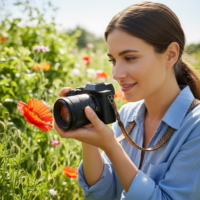
Thinking about stepping into the exciting world of photography but feeling overwhelmed by the sheer variety of digital cameras out there? You’re not alone! For many beginners or hobbyists, the crucial first step is choosing the right camera – one that fits their needs without breaking the bank or being overly complicated. This article will guide you through the process, helping you understand what truly matters when selecting your first digital camera so you can confidently capture stunning everyday moments.
Beyond Megapixels: What Really Matters for Image Quality
When browsing cameras, you’ll inevitably see huge megapixel numbers plastered everywhere. While megapixels contribute to image size, they’re not the sole determinant of quality. For most everyday photography, a camera with 16-24 megapixels is more than sufficient. Instead, focus on two other key aspects: sensor size and lens quality.
A larger sensor, typically found in mirrorless or DSLR cameras, can collect more light, resulting in better image quality, especially in low-light conditions. Think of it like a bigger window letting in more natural light; more light equals a clearer, less “grainy” photo. For instance, a phone camera with 24 megapixels will likely produce a lower-quality image than a dedicated camera with a larger sensor even if they both have 24 megapixels. As for lenses, a good quality lens will produce sharper images with better color reproduction. Many entry-level cameras come with “kit lenses” that are good for starting out, but remember, the lens is often as important as the camera body itself.
Ease of Use: Navigating Your Camera with Confidence
For a beginner, a camera that’s intuitive and easy to use is paramount. You don’t want to spend more time fumbling with settings than actually taking pictures. Look for cameras with clear menus, easy-to-reach buttons, and user-friendly features. Many modern digital cameras offer “auto” modes that handle all the technical settings for you, allowing you to simply point and shoot and still get great results. As you gain confidence, you can then experiment with manual controls. For example, some cameras have touchscreens which can make navigating menus and selecting focus points much faster and more natural, similar to using a smartphone.
Another helpful feature for beginners is in-camera guides or tutorials. Some cameras even include creative filters or scene modes (like “portrait,” “landscape,” or “sports”) that automatically adjust settings for specific situations, taking the guesswork out of achieving good photos in different environments.
Connectivity & Convenience: Sharing Your Creations Instantly
In today’s digital age, sharing your photos and videos is a big part of the fun. Consider a camera with built-in Wi-Fi or Bluetooth connectivity. This allows you to easily transfer your photos to your smartphone or tablet for quick editing and sharing on social media platforms without needing cables or card readers. Imagine capturing a breathtaking sunset on your vacation and instantly sharing it with friends and family back home – that’s the power of good connectivity!
Additionally, look for cameras that are comfortable to hold and carry. A compact mirrorless camera might be perfect for travel and everyday use, while a larger DSLR might offer better ergonomics and a wider range of lenses for more serious enthusiasts. Always consider how and where you plan to use your camera most often to strike the right balance between size, features, and convenience.
Choosing your first digital camera doesn’t have to be a daunting task. By focusing on sensor size, ease of use, and connectivity, you can find a camera that empowers you to capture beautiful memories and embark on your photographic journey with confidence. Happy shooting!





 For more than thirty years, I’ve been trying to turn on lights, inspire people and teach them how to level up in photography. This blog has been appearing daily for more than a decade. One day, if we meet, I hope you’ll share with me your favorite posts. Even better, I’d like to hear about how a book or course helped you interact with the world differently and make a difference.